General Dentistry
Routine Exams in Santa Maria
Judgment-Free Care for Every Age
What a Routine Exam Checks Beyond Cavities
A routine exam covers more than just cavities. We look at your gums, bite, jaw joint, and even screen for oral cancer. Catching an issue early is always easier to treat.
Cavities get all the attention, but they’re just one piece of the puzzle. A patient comes in expecting a quick cavity check and leaves surprised by everything else we find.
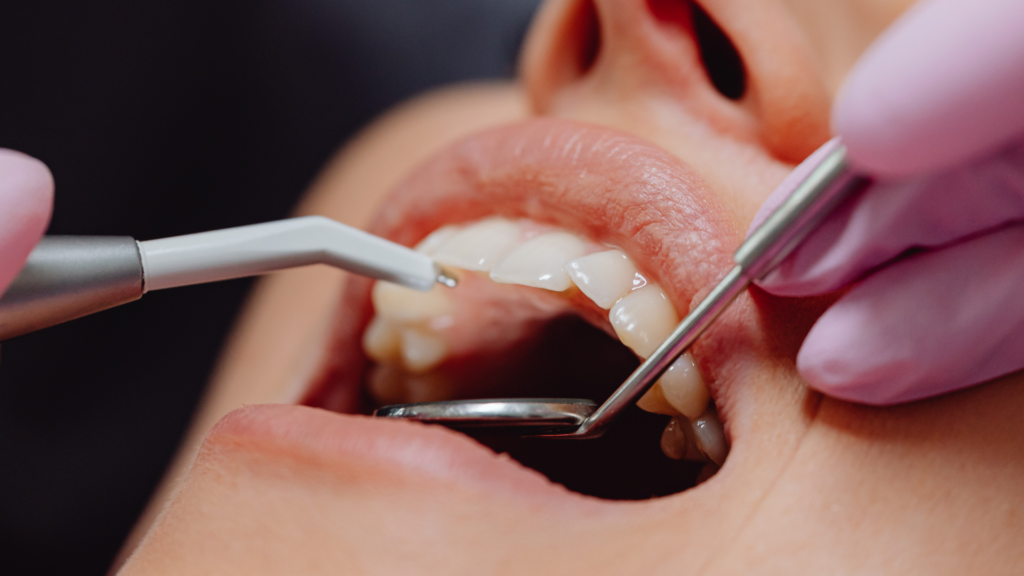
So what happens during your exam? We start with digital x-rays to spot decay hiding between teeth or below the gumline. A visual check alone would miss these. Then we move into an oral cancer screening, checking your tongue, cheeks, and throat for anything unusual.
Schedule if:
- It has been more than 12 months since your last dental exam or cleaning
- Your gums bleed when you brush or floss, even slightly
- You notice new sensitivity to cold drinks, sweets, or hot foods
- You have persistent bad breath that doesn't improve with brushing
- You feel a rough edge, chip, or new gap between teeth
- Your child has never had a dental visit by their first birthday or first tooth

How to Tell You're Due for a Checkup
Most dentists recommend a routine exam and cleaning every six months. Some patients with good oral health and low cavity risk may be told twelve months is fine. Those with gum disease, dry mouth, or frequent decay might need visits every three to four months. If you can’t remember your last cleaning, or know it’s been longer than a year, that alone is a strong signal you’re overdue. Skipping recall visits allows plaque to harden into tartar, which only a dental professional can remove. It gives small problems time to grow into larger, more expensive ones.
Bleeding gums and sensitivity are two of the most commonly ignored warning signs. Bleeding often points to early gum inflammation, called gingivitis. This is reversible with a professional cleaning and better home care. Left untreated, it can progress to periodontal disease. Sensitivity can indicate enamel wear, a small cavity, or a cracked filling. A routine exam catches these things before they require a root canal or extraction.
Santa Maria’s population is younger and family-oriented compared to many California cities. U.S. Census ACS data shows that local dental practices see steady demand for pediatric checkups and adult recall visits. Families juggling school, sports, and work often find it easiest to book kids’ and parents’ exams back-to-back. This keeps the whole household on the same six-month rhythm.
When a Routine Exam Isn't the Right Appointment
A routine exam is built for prevention: catching small issues, tracking wear patterns, and keeping your bite, gums, and enamel stable. It is not designed to diagnose or treat an active, worsening problem. If something already hurts, is swelling, or has physically changed in your mouth in the last 24 to 48 hours, a scheduled cleaning-and-checkup slot next week is the wrong tool for the job, even if it is on the calendar.
When To Call Immediately
Active, throbbing, or sharp tooth pain that doesn’t fade within a few hours
Visible swelling in the gums, cheek, or jaw, especially if it’s spreading
A knocked-out or partially dislodged tooth from a fall, sports injury, or accident
A lost filling or crown accompanied by sensitivity to hot, cold, or pressure
Bleeding that won’t stop after an injury or extraction
A cracked or fractured tooth causing pain when you bite down
If any of these describe your situation, skip the routine booking flow and call for same-day emergency care instead. Most Santa Maria practices hold same-day slots specifically for these cases, separate from their preventive schedule. The two require different equipment, time blocks, and often different follow-up planning. A 20-minute cleaning appointment isn’t structured to accommodate an X-ray series, a pulp evaluation, or emergency extraction.
If your symptoms are severe, arrived suddenly with facial swelling, fever, or difficulty swallowing, that’s a signal for urgent medical care, not just a dental visit. Marian Regional Medical Center’s emergency department can stabilize serious infections that have spread beyond the tooth itself while a dental office arranges follow-up treatment.
Preparing for a New Patient or Recall Exam
A first-time exam and a periodic recall exam are not the same appointment. Knowing the difference helps you prepare. New patients typically spend 60 to 90 minutes in the chair. The doctor builds a full record from scratch, including medical history, current medications, and a baseline set of tests. Recall exams for existing patients move faster, usually 30 to 45 minutes, because the file already exists. The doctor mainly compares this year’s findings to last year’s, checking whether your prescription has shifted, and monitoring any condition already flagged in your chart.
Your first appointment is designed to be comfortable, informative, and pressure-free. Here’s what you can expect:
- A conversation about your dental concerns, goals, and health history
- A comprehensive exam of your teeth, gums, and bite
- A check for cavities, cracked teeth, worn fillings, and gum disease
- Digital X-rays (if needed) to detect problems below the surface
- A clear explanation of your oral health and treatment options
- Time to ask questions and discuss any concerns
- A same-day cleaning or a personalized treatment plan, depending on your needs
What Happens After the Exam Findings Come In
So the exam’s over. Now what? This is the part patients worry about most, and it’s usually simpler than they think.
Our team walks through the digital x-rays and the exam notes with you, right there in the room. This is not a rushed rundown. We take time to explain what we found, why it matters, and what your options are. That’s the whole point of patient education. You should leave understanding your own mouth better than when you walked in.
Most of the time, findings fall into one of a few buckets.
None of that gets decided on the spot without you. We lay out the findings, you ask questions, we talk through timing and priority.
Frequently Asked Questions
Frequently Asked Questions
What happens during a first-time routine exam visit?
A first-time exam takes about 60 to 90 minutes because we build your full dental record from scratch. This includes your medical history, current medications, and a full set of baseline x-rays. We also check your gums, bite, and jaw joint, and screen for oral cancer. Recall visits move faster since we already have your history on file. Plan extra time for your first appointment so nothing gets rushed.
How often should I schedule a routine dental exam?
Most people need a routine exam and cleaning every six months. If your gums are healthy and you rarely get cavities, you might be told twelve months is fine. If you have gum disease, dry mouth, or frequent decay, you may need to come in every three to four months. If you can’t remember your last visit, that’s a sign you’re already overdue.
What does a routine exam check besides cavities?
A routine exam checks far more than cavities. We take digital x-rays to spot decay hiding between teeth, screen your tongue and cheeks for oral cancer, and evaluate your jaw joint for clicking or soreness. We also look at your bite alignment and wear patterns, and ask about snoring or daytime tiredness that could point to sleep apnea. Most patients are surprised by everything we cover in one visit.
Should I book a routine exam if my tooth hurts?
No, a routine exam isn’t built for active pain, swelling, or a cracked tooth. Those need same-day emergency care instead, since a 20-minute cleaning slot doesn’t allow time for a pulp evaluation or extraction.
Why do Santa Maria families book exams back-to-back?
Santa Maria has a younger, family-oriented population, so juggling school, sports, and work schedules is common. Many families find it easiest to book kids’ and parents’ exams on the same day, keeping everyone on the same six-month checkup rhythm. This also helps parents catch a child’s first dental visit around their first birthday or first tooth, which sets good habits early.
What are the warning signs I'm overdue for a checkup?
Bleeding gums and new tooth sensitivity are the two most commonly ignored warning signs. Bleeding often means early gum inflammation, which is reversible with a cleaning and better home care. Sensitivity can mean enamel wear, a small cavity, or a cracked filling. Other signs include persistent bad breath, a rough edge on a tooth, or a jaw that clicks or aches when you wake up.
Schedule Your Dental Appointment Today
Ready to get comprehensive care for your family? Visit Brilla Dental Group on North Broadway.
Visit Us
1846 N Broadway #B, Santa Maria, CA 93454
Languages
English | Español
Office Hours
Monday – Thursday: 7:30 AM – 4:30 PM
Friday: 7:30 AM – 4:00 PM
Saturday – Sunday: Closed