
Services
Oral Surgeon in Santa Maria
Surgical Care That Doesn't End at the Procedure
Understanding When Surgical Dental Care Is Needed
Not every dental problem calls for a scalpel. But some do, and knowing the difference saves you a lot of worry. We see this every week: someone comes in thinking they need a filling, and it turns out the tooth is cracked below the gum line or an infection has spread past what a root canal can fix. That’s when surgical care steps in.
So what points to surgery? A few patterns show up again and again. An impacted wisdom tooth that’s pushing sideways into its neighbor. A tooth so badly broken or decayed that saving it isn’t realistic anymore. Bone loss around an existing tooth that’s made it loose enough to affect chewing. Or a gap left by a missing tooth that’s ready for a dental implant. That procedure requires a small surgical step to place the post into the jawbone.
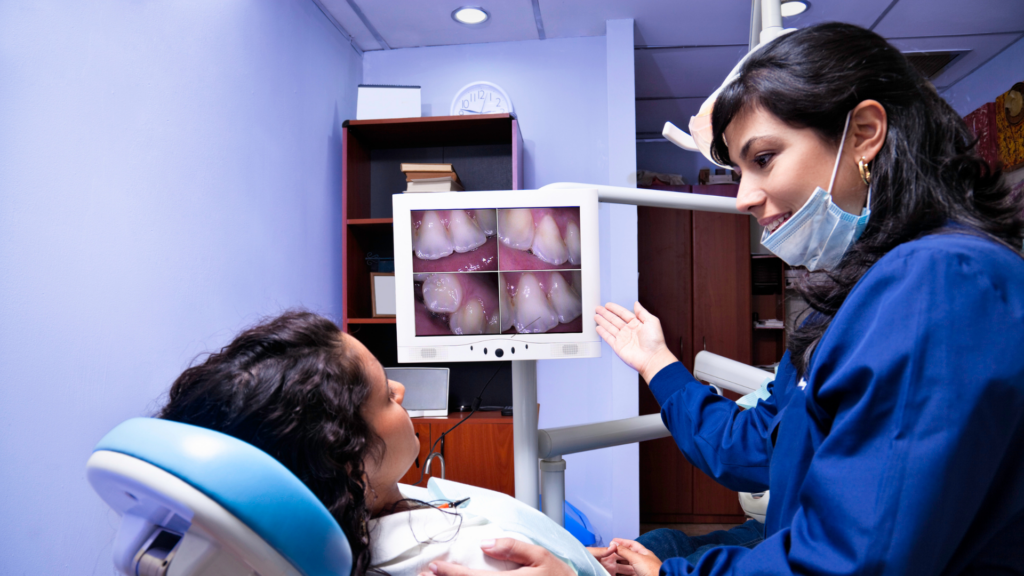
When Dental Symptoms Need a Closer Look
Persistent pain, recurring swelling, bite sensitivity, or a tooth that feels different can be signs that something deeper is happening. Waiting can allow dental issues to worsen, which is why early evaluation matters.
Our team reviews your symptoms, X-rays, and dental history before recommending any surgical treatment. We explain your options clearly so you can make an informed decision. Sometimes surgery is the best solution, and sometimes monitoring or another approach is the right next step.
Your Age and Dental History Matter
The right treatment approach depends on your age, tooth development, and overall dental history. Wisdom teeth in younger patients often require a different plan than long-term tooth concerns in older adults. Our team helps determine the best next step based on your unique situation.

Deciding Between a General Dentist and a Surgical Referral
So how do you know if this is a job for your regular dentist or if you need something more? Here’s the honest answer. A lot of it depends on what’s going on inside your mouth, not just how it feels right now.
Simple extractions, minor gum treatment, and routine root canal work mostly get handled right in a general dentistry chair. But once you’re talking about impacted teeth, complex bone grafting before dental implants, or a jaw issue that needs imaging beyond a standard x-ray, that’s a different conversation. We see this every week. Someone comes in thinking they need a straightforward tooth pulled, and once we get a look, it’s clear the roots are curved in a way that calls for a more surgical approach.
The starting point is almost always the same, a proper exam and imaging so we can see the full picture before recommending anything. If your case is straightforward, we’ll treat it as part of our general dentistry care. If it’s more complex—involving bone density, nerve proximity, or a tooth that’s fractured below the gumline—that’s when a surgical referral makes sense, and we’ll walk you through exactly why. You shouldn’t have to guess whether you need a specialist. That decision should come from a real look at your mouth, not a gut feeling in the parking lot.
When You Don't Need Surgical-Level Care
Not every dental problem needs a scalpel. A lot of what people worry is “surgery” turns out to be something far simpler once we look at it.
Here’s the thing. A cracked filling, a cavity, or even a tooth that’s aching after you bit down wrong—none of that automatically means extraction or a surgical referral. Sensitivity that comes and goes is usually just a sign a tooth needs attention soon, not an emergency. If a tooth is loose from gum inflammation rather than trauma or infection, that’s often reversible with the right care and some time. Swelling that’s mild and comes with no fever usually points to something we can manage without cutting anything.
So when should you wait it out and just book a regular checkup instead of assuming the worst?
- Dull, occasional sensitivity to cold that fades within a few seconds
- A chipped tooth with no pain and no sharp edge cutting your tongue
- Mild gum bleeding only when you brush too hard
- A wisdom tooth that’s fully erupted, straight, and not causing pain
We hear this often. Someone calls convinced they need something drastic, and it turns out to be a straightforward fix. That’s not us downplaying your concern; it’s us being straight with you about what your mouth is telling us.
Now, the flip side matters too. If you’re dealing with a tooth that’s throbbing, keeping you up at night, or swelling that’s spreading toward your jaw or neck, that’s a different conversation entirely and one you shouldn’t sit on.
Not sure which category you’re in? That’s pretty common, and it’s exactly why a quick exam beats guessing at home every time.
What to Expect Before, During, and After Oral Surgery
Most folks picture the worst before their first visit. Truth is, the process is pretty straightforward once you know the steps.
Before anything happens, we take a close look with imaging so we can see the tooth, the roots, and the bone around it. This step matters more than people realize; it tells us exactly what we’re dealing with before a single instrument comes near your mouth. We’ll walk you through what the imaging shows and explain what to expect in plain terms, not dental jargon that leaves you more confused than when you walked in.
On the day of the procedure, here’s roughly how it goes:
- We review your health history and any medications you’re taking
- We numb the area completely before starting
- We complete the extraction or procedure with your comfort as the priority
- We give you clear aftercare instructions before you leave
- We check in on your healing at a follow-up visit
Recovery looks different for everyone. Some people are back to normal in a couple of days. Others, especially with a more involved extraction, need closer to a week of taking it easy. Swelling and mild soreness are normal. Sharp, increasing pain a few days in usually is not, and that’s when you should call us instead of waiting it out.
We’ll send you home with specific instructions on eating, rinsing, and rest. Follow them. Skipping the soft-food stage or rinsing too aggressively is usually the reason healing slows down.
Our team checks in during your follow-up to make sure everything is closing up the way it should. A good outcome depends on what happens after you leave the chair just as much as what happens in it.
How Oral Surgery Pricing Works, and What to Ask
Let’s talk money, because everyone wants to know before they book. Oral surgery pricing isn’t one flat number. It depends on what’s happening in your mouth.
A simple extraction costs less than a surgical removal of an impacted wisdom tooth. Bone grafting adds a step, and so does sedation if you need it beyond a local numbing shot. X-rays or a 3D scan factor in too, since we need to see root position and nerve location before we touch anything. Some cases need one visit. Others need a follow-up to check healing. Every one of these pieces changes the total.
Here's the thing about oral surgery costs: they're driven by complexity, not by the provider you pick. A tooth buried under bone and close to a nerve takes longer and requires more precision than one sitting at the gumline. That's true anywhere you go.
Ask questions. Get the full picture before your procedure date. And don’t be afraid to bring up cost during your consultation; we’d rather answer it upfront than have you guessing.
So what should you ask before you commit to a procedure?
Understanding Your Treatment Quote
What's included in the quote, including the exam, imaging, procedure, and follow-up visits?
Sedation Options & Costs
Is sedation separate, and which option is right for your situation?
Additional Treatment Needs
Does your case require bone grafting or other preparation?
Insurance & Out-of-Pocket Costs
Will insurance cover part of the treatment, and what can you expect to pay?
Unexpected Findings During Treatment
What happens if something changes once the tooth is exposed?
We go over these questions with you before we start, not after. Nobody likes surprise bills, and neither do we.
Frequently Asked Questions
Frequently Asked Questions
What should I bring to my first oral surgery appointment in Santa Maria?
Bring a list of your current medications and your insurance card. We also ask that you bring a driver or a ride home, since some procedures use sedation that makes it unsafe to drive. If you have recent X-rays from another dentist, bring those too. Wear comfortable clothes and avoid heavy makeup or lotion near your face. Arriving a few minutes early gives us time to review your health history together before we start, so nothing feels rushed on the day of your visit.
How long does recovery take after oral surgery?
Recovery time depends on the procedure, but many patients feel mostly normal within two to three days. A simple extraction often heals faster than a surgical extraction or implant placement, which can take a week or more for the surgical site to settle. Swelling usually peaks around day two, then fades. We give you clear aftercare instructions before you leave and check on your healing at a follow-up visit so you’re never guessing whether things are going the way they should.
Does dental insurance cover oral surgery in Santa Maria?
Many dental plans cover part of oral surgery, but coverage varies a lot by plan and by procedure. Extractions and implant-related surgery are sometimes split between medical and dental insurance, which can confuse patients. Before your procedure, we review your plan details with you so you understand what’s likely covered. It’s worth calling your insurance provider directly too, since plans sold in the Santa Maria area often have different rules for surgical dental work versus routine care.
How do I know if my wisdom tooth needs to come out?
The clearest sign is an impacted tooth pushing sideways into the tooth next to it, which we see often. Pain, swelling near the jaw, or a tooth that’s only partly erupted through the gum are other common reasons we recommend removal. A fully erupted, straight wisdom tooth that isn’t causing pain usually doesn’t need surgery right away. The only real way to know for sure is an exam with imaging, since we need to see the roots and bone before deciding.
What's the difference between a simple extraction and oral surgery?
A simple extraction removes a tooth that’s fully visible above the gum with no complications, and a general dentist usually handles it. Oral surgery covers more complex cases, like impacted teeth, teeth broken below the gumline, or bone grafting before a dental implant. The line between the two comes down to what the imaging shows about the roots, bone, and nerves nearby. That’s why we always start with a proper exam before recommending which path fits your situation.
Schedule Your Dental Appointment Today
Ready to get comprehensive care for your family? Visit Brilla Dental Group on North Broadway.
Visit Us
1846 N Broadway #B, Santa Maria, CA 93454
Languages
English | Español
Office Hours
Monday – Thursday: 7:30 AM – 4:30 PM
Friday: 7:30 AM – 4:00 PM
Saturday – Sunday: Closed