General Dentistry
Dental Cleanings in Santa Maria
Judgment-Free Care for Every Age
Routine Cleaning or Deep Cleaning: Knowing Which One You Need
A routine cleaning (prophylaxis) handles plaque above the gumline for healthy mouths. A deep cleaning (scaling and root planing) treats plaque and tartar trapped below the gumline once gum disease starts. Which one you need comes down to gum pocket depth, something we check during routine exams.
Not every cleaning is the same.
A routine cleaning, what we call professional prophylaxis, is for healthy gums. We clear plaque and light tartar off the tooth surface and just below the gumline. It’s quick, simple, and most patients need one about every six months. Once gum disease sets in, brushing harder at home won’t fix it. The bacteria have moved deeper. That calls for scaling and root planing, our deep cleaning service that smooths the tooth root and clears out what’s hiding under the gum tissue.

So how do you know which one applies to you? We measure it. During your exam we check pocket depth around each tooth with a small probe. Healthy pockets run shallow; deeper ones signal disease has taken hold.
you need it if you have:
- Gums that bleed when you brush or floss
- Bad breath that won't go away with brushing
- Gums that look puffy, red, or pulled back from the teeth
- Teeth that feel loose or shifted
- It's been well over a year since your last cleaning
What Happens During a Professional Teeth Cleaning Visit
You sit down, the chair leans back, and someone asks about your day before anything else happens.
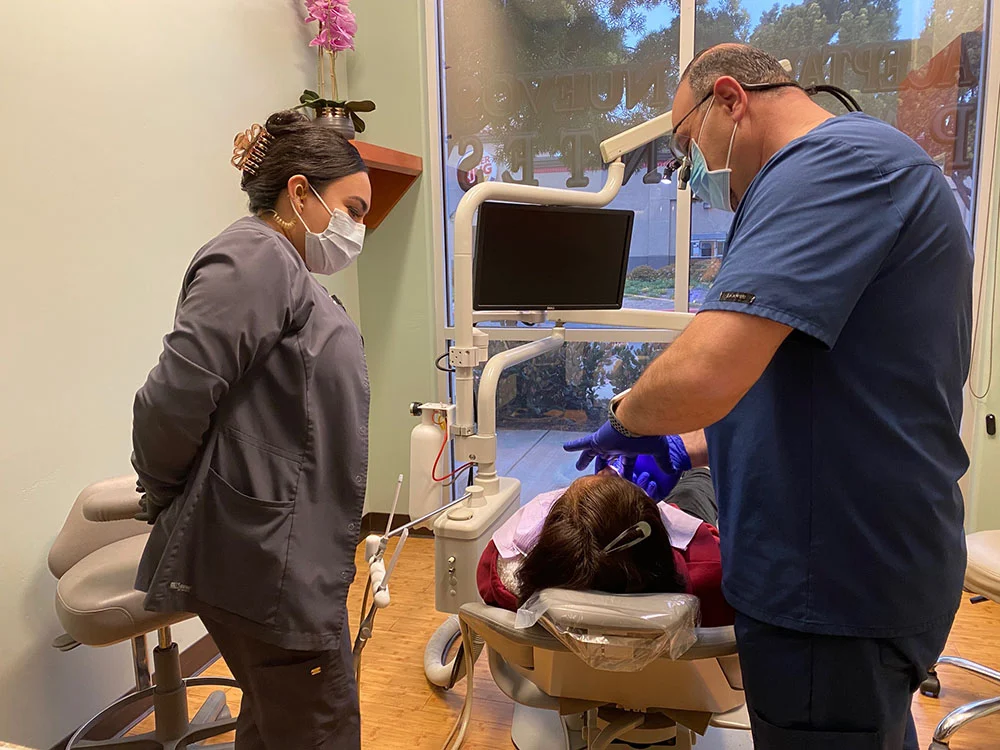
Here’s roughly how a visit goes:
- We start with a quick check of your gums, teeth, and bite, sometimes with digital x-rays if it’s been a while or something looks off.
- Next comes the scaling part, where we remove plaque and tartar buildup along the gumline and between teeth using hand tools or a gentle ultrasonic device.
- We polish the teeth with a gritty paste that buffs away surface stains you’d never get out with a home toothbrush.
- Flossing follows, and we’ll point out any spots where you’re missing plaque at home so you can fix that habit.
- A fluoride treatment often finishes the visit, giving your enamel a boost of protection against decay.
- Before you leave, we walk through what we saw and answer any questions about your oral health.
The whole thing usually takes under an hour. Patients tell us it was easier than they remembered. Nervous about the scraping sound? That’s common, and most of it is louder than it feels.
Signs You Can Wait, and Signs You Shouldn't
Not everything needs a same-day call. Some things can wait until your next dental cleaning is already on the calendar.
If your tongue can feel a rough patch near the gumline but nothing hurts, that’s tartar building up slowly. Coffee staining with zero sensitivity? That waits too. A bit of bleeding when you floss after skipping it for a few days is common, we see it every week, and it usually settles once you get back to a regular routine and get in for professional prophylaxis.
So when should you not wait? Some signs mean it’s time to pick up the phone, not book something for next month.
- Gums that bleed every time you brush, not just occasionally
- A bad taste or smell that won’t go away no matter what you do
- Gum tissue that’s pulling back and showing more tooth than it used to
- Loose teeth or teeth that have shifted position
- Pain when you bite down, even if it’s mild
Catching those signs early means a simple fix. Wait too long and scaling and root planing, or worse, becomes the answer instead of a routine cleaning. If any of this sounds like you, don’t guess, just call and let us take a look.
Getting Ready for a Cleaning After Time Away from the Dentist
Two years. Five years. Sometimes longer. We hear it all the time, we’ve stopped being surprised by it. Life gets busy, a job changes, insurance lapses, and suddenly it’s been way longer than you meant. Coming back doesn’t need to feel like a confession.
Here’s what happens. We start with digital x-rays to see what’s going on below the gum line. A visual check alone can’t catch those things. Then a real look at your teeth and gums, checking for the buildup that piles up over months of missed cleanings. If it’s been a while, plaque often hardens into tartar that a regular cleaning can’t remove. Scaling and root planing might come up as a next step instead of a standard cleaning that same day.
Before you come in, a few things help us help you faster:
- Bring any records or x-rays from a previous dentist if you have them
- Write down anything that's bothered you, even small stuff like sensitivity to cold
- List current medications, since some affect gum tissue and healing
- Mention if you're anxious about the visit so we can talk through it before starting
Frequently Asked Questions
Frequently Asked Questions
What should I bring to my first dental cleaning visit?
Bring any dental records or x-rays from your last dentist, plus a list of your current medications. This helps us see your history before we start. If it’s been a while since your last cleaning, write down anything that’s been bothering you, even small things like cold sensitivity. Mention if you feel nervous about the visit, too. We’ll walk through each step so nothing catches you off guard once you’re in the chair.
How long does a dental cleaning take, and what happens afterward?
A routine cleaning usually takes under an hour from start to finish. We check your gums and teeth, scale away plaque, polish your teeth, and finish with a fluoride treatment. Afterward, we walk you through what we found and give you tips for your home routine. If we spot signs of gum disease, we’ll talk about scheduling scaling and root planing instead of waiting until your next regular visit.
Do I need a referral to switch to your practice from another Santa Maria dentist?
No, you don’t need a referral, just call us to schedule your first cleaning. If you’re switching from another dentist in Santa Maria, bring any past records or x-rays so we can pick up where you left off. This saves time and keeps you from repeating x-rays you already have. We check pocket depth and gum health at your first visit, whether you’re new here or coming back after time away.
How do I know if I need a routine cleaning or a deep cleaning?
You’ll likely need a deep cleaning if your gum pockets measure deeper than normal, which we check with a small probe during your exam. Bleeding gums, bad breath that won’t go away, or teeth that feel loose usually point toward gum disease and scaling and root planing. If it’s just been a while since your last visit and none of those signs apply, a standard cleaning is enough to get you back on track.
How often should I schedule a dental cleaning?
Most patients need a routine cleaning about every six months to keep plaque from hardening into tartar. If it’s been over a year since your last visit, tartar often builds up to the point a standard cleaning can’t fully remove it. In that case, scaling and root planing may come up as a first step. Staying on a regular six-month schedule is the easiest way to avoid needing a deeper, more involved cleaning later.
Schedule Your Dental Appointment Today
Ready to get comprehensive care for your family? Visit Brilla Dental Group on North Broadway.
Visit Us
1846 N Broadway #B, Santa Maria, CA 93454
Languages
English | Español
Office Hours
Monday – Thursday: 7:30 AM – 4:30 PM
Friday: 7:30 AM – 4:00 PM
Saturday – Sunday: Closed